Magnesium for Sleep and Anxiety: What You Need to Know
Anxiety and sleep disturbances are among the most common challenges affecting modern lifestyles. Whether it’s difficulty falling asleep, staying asleep, or feeling constantly “on edge,” these issues can impact everything from mental clarity to physical performance.
For athletes and physiotherapy clients, the effects are even more pronounced- poor sleep and heightened anxiety can directly impair recovery, coordination, and overall performance.
One nutrient that’s gaining attention in both clinical and practical settings is magnesium.
What Is Anxiety?
Anxiety is a natural response to stress, but when it becomes persistent or excessive, it can interfere with daily life.
Common symptoms include:
Racing thoughts or constant worry
Muscle tension or tightness
Restlessness or irritability
Increased heart rate
Difficulty falling or staying asleep
From a physiological perspective, anxiety is closely linked to nervous system dysregulation, particularly an overactive sympathetic (“fight or flight”) response.
The Link Between Anxiety and Sleep
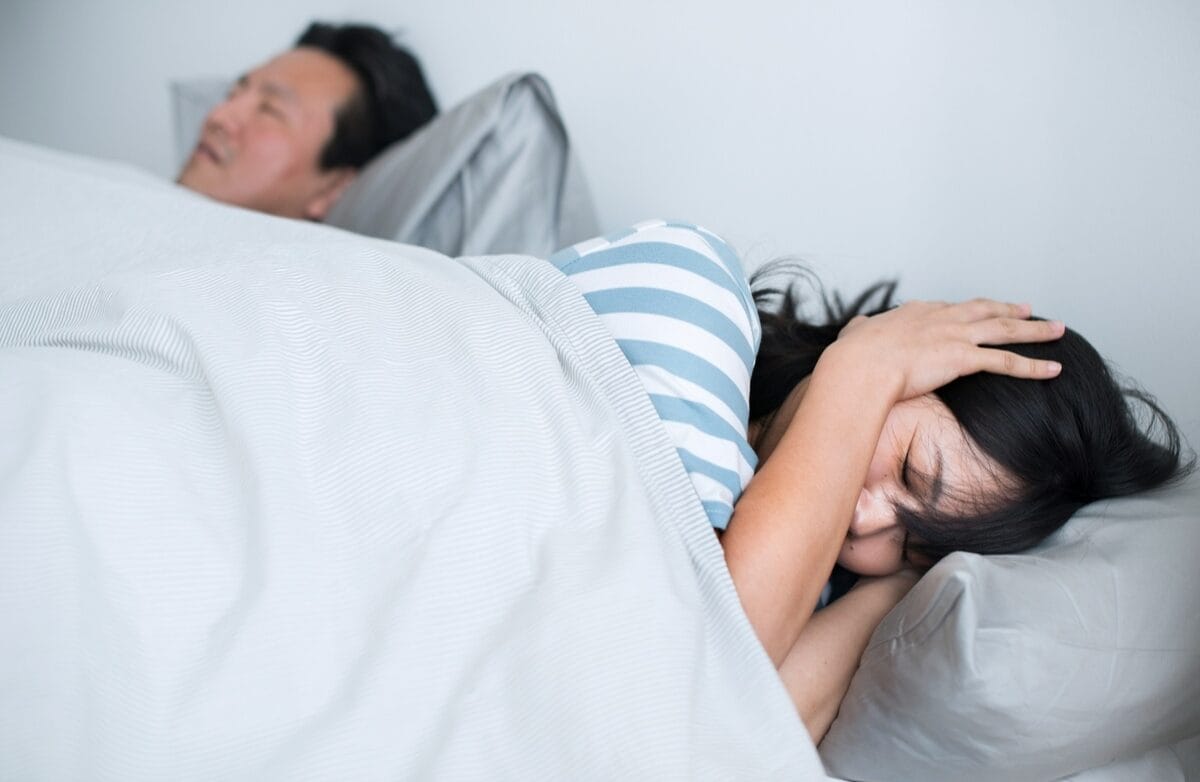
Sleep and anxiety are deeply interconnected. Poor sleep can increase anxiety levels, while anxiety can make it harder to fall and stay asleep.
Key disruptions include:
Increased sleep latency (time it takes to fall asleep)
Reduced sleep efficiency
Frequent awakenings
Non-restorative sleep
For high-performing individuals like athletes and dancers, this creates a cycle that affects:
Muscle recovery
Reaction time and coordination
Injury risk
Mental focus.
Why Magnesium Matters
Magnesium is an essential mineral involved in over 300 biochemical processes, many of which regulate the nervous system and sleep.
Key mechanisms:
Supports GABA activity → promotes relaxation and reduces neural excitability.
Regulates melatonin → helps control sleep-wake cycles
Modulates cortisol → supports stress response balance
Improves heart rate variability (HRV) → linked to recovery and resilience
Low magnesium levels have been associated with both increased anxiety and poorer sleep quality.
What Does the Research Show
Clinical research- particularly randomized controlled trials (RCTs) and systematic reviews- suggests that magnesium supplementation can benefit sleep and anxiety, especially in individuals with low baseline magnesium levels.
Key findings:
Magnesium supplementation (typically 320–500 mg/day) has been shown to:
Reduce time to fall asleep (by ~17 minutes in some studies)
Improve total sleep time and efficiency
Lower anxiety scores (e.g., HAM-A scale)
Combining magnesium with vitamin B6 may enhance effects, particularly for stress and mood
Improvements are more consistent in:
Older adults
Individuals with insomnia
Those with magnesium deficiency
While results are sometimes modest in mild cases, the overall trend supports magnesium as a safe, supportive intervention.
Magnesium in Practice
For professionals working with the body, magnesium is not just about sleep- it’s about nervous system regulation and recovery.
Clinical and performance insights:
Anxiety often presents as muscle tension and altered movement patterns
Poor sleep reduces tissue repair and neuromuscular control
Magnesium may support parasympathetic activation, aiding recovery
Practical applications:
Use magnesium as part of a holistic protocol (breathing, load management, sleep hygiene)
Screen for signs of deficiency (fatigue, cramps, poor sleep)
Track outcomes using tools like:
PSQI (Pittsburgh Sleep Quality Index)
ISI (Insomnia Severity Index)
HRV metrics (for athletes)
Topical Magnesium for Sleep and Anxiety
While most studies focus on oral supplementation, topical magnesium (such as sprays or oils) is increasingly used in practice.
Why practitioners use it:
Direct application to the skin (legs, arms, shoulders)
Do not depend on gastrointestinal absorbtion
Easily integrated into evening recovery routines
Example protocol:
Apply ~10 sprays of Magnesium Oil or Magnesium Oil Plus (for additional botanical benefits) to legs or arms before bed.
Combine with breathwork or stretching
Use consistently to support relaxation
Some formulations, such as lavender-infused magnesium oils, add an aromatherapeutic component that may further enhance calming effects.
A Note on Evidence
Although oral magnesium has strong clinical backing, transdermal magnesium research is still emerging. Early pilot studies and mechanistic insights support its use, but more large- scale RCTs are needed.
For now, it remains a low-risk, practice-based tool widely used by clinicians and performance specialists.
Final Thoughts
Anxiety and sleep disturbances are complex, but magnesium offers a promising, evidence-supported way to support both.
For general users, it may help promote relaxation and better sleep. For physios, athletes, and dancers, it can be a valuable addition to recovery and nervous system regulation strategies.
The key is not to rely on a single solution, but to integrate magnesium into a broader, individualized approach to health and performance.
Product was successfully added to your cart!