
A Discovery of Magnesium Chloride Made During World War I
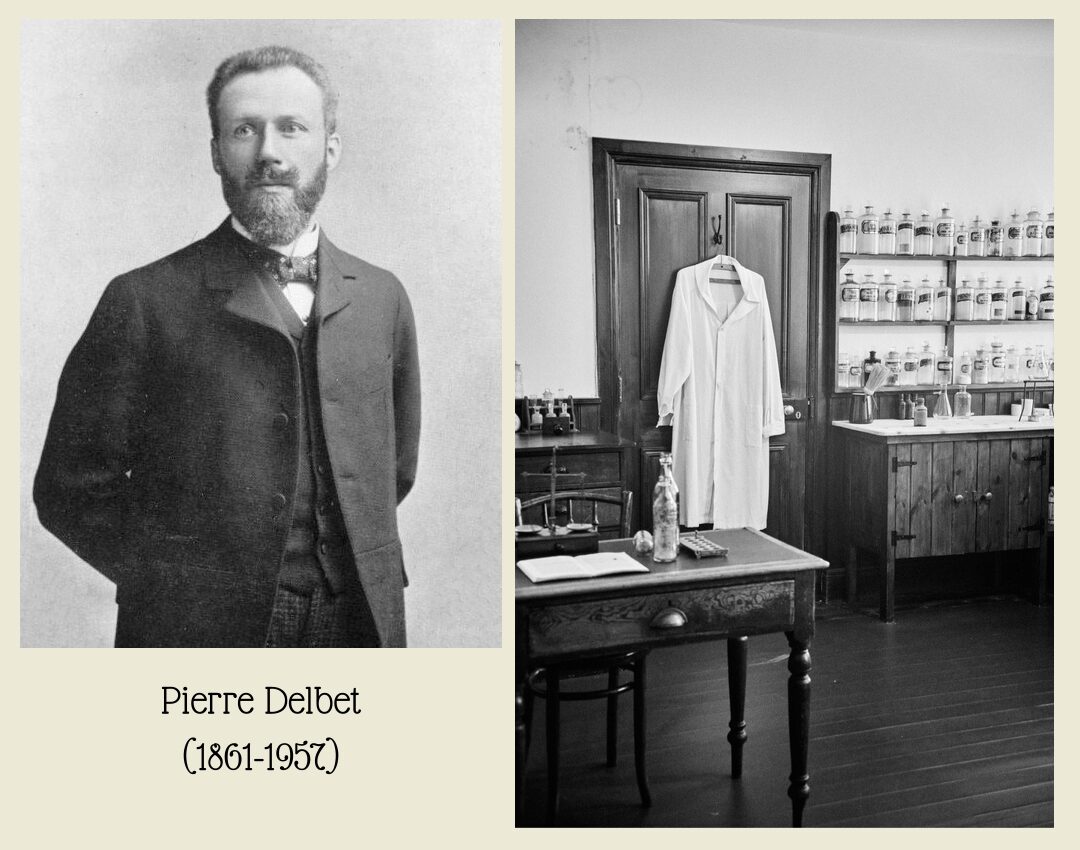
More than a century ago, French surgeon Dr. Pierre Delbet was searching for a better way to clean wounds.
At the time, many antiseptics damaged healthy tissue and sometimes slowed healing instead of supporting it.
While testing different mineral solutions, Delbet made an unexpected observation: magnesium chloride appeared to be gentle on tissues while stimulating the activity of certain immune cells.
Intrigued by these findings, he began a series of laboratory and clinical investigations that would shape decades of interest in magnesium chloride. According to his reports, magnesium chloride appeared to enhance the body's natural defense mechanisms, a phenomenon he later described as "cytophylaxis."
Magnesium chloride Beyond Wound Care
As Delbet continued his work, he observed that people using magnesium chloride often reported broader improvements in wellbeing.
Over time, he documented its use in a wide variety of health conditions, including digestive complaints, muscle cramps, skin conditions, and age-related concerns. These observations led him to believe that magnesium played a much larger role in overall health than previously understood.
Although many of these early observations would require modern scientific validation, Delbet's work helped establish magnesium as an important mineral for human health.
The Immune System Connection
One of Delbet's most notable interests was the relationship between magnesium and immune function.
His experiments suggested that magnesium chloride could enhance the activity of white blood cells involved in the body's natural defense processes. This led to decades of discussion about the role of magnesium in maintaining normal immune function and overall resilience.
Today, magnesium is known to participate in hundreds of biochemical reactions throughout the body, including processes related to energy production, muscle function, nervous system activity, and immune health.
Dr. André Neveu and the Expansion of Magnesium chloride Therapy
Magnesium Chloride → Immune Cell Activity → Cellular Support → Wellbeing
In the 1940s, another French physician, Dr. André Neveu, became interested in Delbet's work.
Neveu explored the use of magnesium chloride in various infectious and inflammatory conditions and reported numerous positive clinical observations. He believed that magnesium's value lay not in directly attacking disease, but in supporting the body's natural capacity to respond and recover.
While modern medicine evaluates treatments using rigorous clinical trials, Neveu's work contributed to the growing recognition that nutritional status and mineral balance can influence overall health outcomes.
Discover the historical foundation of magnesium chloride therapy in the original document here:
What Modern Science Says About Magnesium chloride
Today, magnesium is recognized as one of the most important minerals in the human body.
It contributes to:
Normal muscle function
Healthy nervous system activity
Energy metabolism
Electrolyte balance
Reduction of tiredness and fatigue
Maintenance of bones and teeth
Normal psychological function
Modern research has also explored the use of topical magnesium products, including magnesium oils and magnesium chloride baths. Recent studies have demonstrated that magnesium ions can penetrate the skin and that hair follicles play an important role in this process. This has contributed to growing interest in transdermal magnesium applications for muscle recovery and relaxation.
Why Magnesium Matters in
Modern Life
Stress, intense exercise, poor dietary habits, and busy lifestyles can all increase the body's demand for magnesium.
Many people choose magnesium supplementation as part of their daily wellness routine, while others prefer topical magnesium products that can be applied directly to the skin after exercise, before sleep, or during periods of increased physical or mental stress.
Although magnesium is not a cure-all, maintaining healthy magnesium levels is widely recognized as an important part of supporting overall wellbeing.
A Legacy That Continues Today
More than 100 years after Dr. Delbet's original discovery, magnesium chloride remains one of the most widely used magnesium compounds worldwide.
While scientific understanding has evolved significantly since the early days of magnesium therapy, the central idea remains remarkably relevant: supporting the body's natural processes often begins with providing the essential nutrients it needs to function at its best.
As research continues, magnesium remains a cornerstone mineral for muscle function, relaxation, recovery, and everyday wellbeing.
Product was successfully added to your cart!